This is the last article you can read this month
You can read more article this month
You can read more articles this month
Sorry your limit is up for this month
Reset on:
Please help support the Morning Star by subscribing here
Former Northern Ireland secretary Shaun Woodward insisted yesterday that letters sent to republican "on the runs" (OTRs) saying they weren't being chased had never been meant as amnesties.
During a heated Commons debate, Mr Woodward gave his assurance over a scheme that saw accused IRA bomber John Downey avoid prosecution last month.
Mr Downey stood accused of planting a car bomb that killed four Household Guard cavalrymen in Hyde Park in 1982.
But he was instructed by letter in 2007 from the Northern Ireland office that he was not wanted by the police.
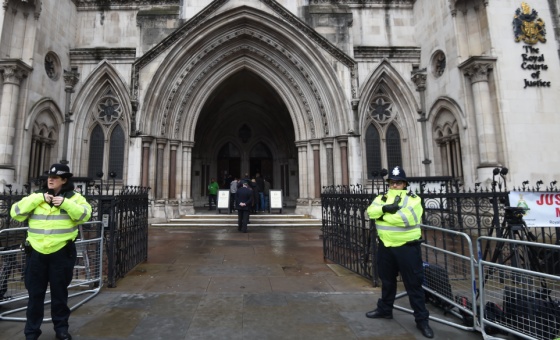
And a High Court judge ruled last month that this assurance meant he cannot face prosecution.
The last Labour government came under angry attacks from Democratic Unionist MPs for setting up the scheme, under which people were issued letters clarifying whether they were wanted by the police.
DUP deputy Nigel Dodds said Parliament "may have been misled" by Labour Northern Ireland secretaries who said OTRs were not protected.
Challenging the former ministers, he said: "It is very clear that there was certainly an economy on the truthfulness of what was being said."
Mr Woodward, who was Northern Ireland secretary between June 2007 and May 2010, said he had "no reason" to believe the letters were more than an "administrative process."
"At no point did anyone tell me that these letters could be used as reprieves or amnesties," he said.
Unionist, Alliance and SDLP MPs all insisted they were not even aware of the scheme before last month's ruling on Mr Downey.
But Sinn Fein MP Conor Murphy argued the spat amounted to a "deliberate misrepresentation of facts of the OTR issue" which was diverting attention away from unionist opposition to the latest Haass peace proposals.
And he told the Morning Star: "The grandstanding by the DUP and other unionist politicians, repeated today, have more to do with upcoming elections than in dealing with and resolving the serious legacy issues which we attempted to address during the Haass negotiations."